
Oglethorpe County Arrest Warrants Explained
An arrest warrant gives law enforcement the power to take a named person into custody. In Oglethorpe County, that authority comes from Georgia law, which lets superior, state, magistrate, city, and certain municipal judicial officers issue process once the legal requirements are met. Start with Magistrate Court. Its official page expressly lists warrant issuance and warrant hearings, so it is the clearest local door. Superior Court of the Northern Judicial Circuit can also issue process under its broader criminal jurisdiction. Probable cause is the key standard. It means enough sworn facts to support a reasonable belief that an offense occurred and that the named person committed it, and the charge is then handled through the court process from there. When you call, ask for specifics: warrant number, issuing court, alleged offense, issue date, current status, and bond information. Those details keep a warrant from being confused with a citation, a bench warrant, or a booking entry.
Oglethorpe County Magistrate Arrest Warrants
The official Magistrate Court page lists warrant jurisdiction, contacts, split weekday hours, forms, and the local application route.
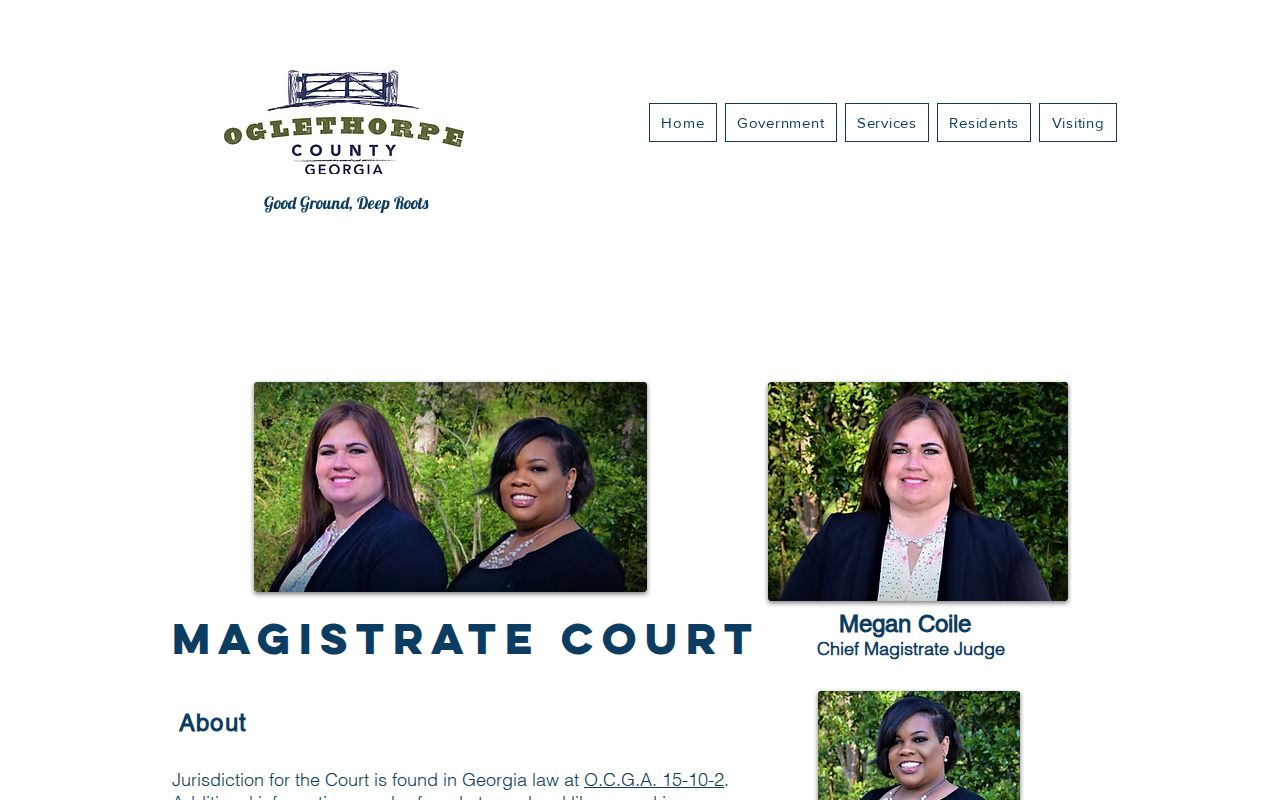
The office sits at 109 East Boggs Street in Lexington, and the phone is (706) 743-8321. Ask exactly what you are looking at. An application may still be waiting for a hearing, or it may be an issued warrant, a denied or dismissed application, or a post-arrest file. The Superior Clerk at 111 West Main Street is the other key stop. That office keeps felony pleadings, indictments, accusations, prisoner reports, bond-forfeiture records, and scanned warrants, and it answers at (706) 743-5731. City traffic or ordinance process may sit with a municipal court. State Court can handle some misdemeanor, traffic, preliminary, and warrant matters, though Oglethorpe publishes no separate State Court warrant page.
Inside an Oglethorpe County Arrest Warrant
Georgia's warrant and affidavit law, the local application form, and the Superior Clerk's record description show the main fields. Not every public copy will expose each one. Sealed, juvenile, active-investigation, and safety-sensitive details may be withheld or redacted in Oglethorpe County records.
| Warrant or case number | The court identifier used to retrieve and track the process; it may differ from a citation number. |
|---|---|
| Named subject | Legal name and other identifiers used to distinguish the person, where disclosure is lawful. |
| Alleged offense | The statute or charge category supported by the application, not a finding of guilt. |
| Issuing court | The judge or magistrate and court that approved the warrant. |
| Probable-cause basis | The sworn facts in the complaint or affidavit, which may be the most restricted part. |
| Issue and return dates | When the order was signed and when service or another disposition was returned. |
| Bond status | An amount, type, conditions, or no-bond notation, subject to current court confirmation. |
Oglethorpe County Arrest Warrant Applications
The local Deposit Account Fraud Warrant Application shows how much a private application can demand. The form seeks applicant and business data, bank information, accused-person identifiers, facts about the check, demand-letter dates, certified-mail details, identification used, return reason, and sworn signatures. Its office block even offers issued, denied, and dismissed choices, plus a filing date and warrant number. Remember what it is not. This is a court form, not a public list of accused people, and filing it does not mean a warrant was issued. The document records the applicant's claim and supporting material before any judicial review. Ask Magistrate Court for the disposition and current status. A public request in Oglethorpe County may return only nonexempt parts, especially while an investigation or prosecution is still active.
Serving Arrest Warrants in Oglethorpe County
Issuance and service are different jobs. A judge issues the warrant. The Oglethorpe County Sheriff's Office describes its mission as including effective service of warrants and civil process, and authorized city or other officers may serve process within their own authority. The sheriff's site posts no warrant commander, service map, or searchable arrest-warrant roster. After an arrest, booking follows, and the case moves toward first appearance, counsel, and a bond or commitment decision. The sheriff's jail page links to a current-confinement search. That portal is not a warrant index. It shows post-arrest custody details such as admit date, charge, and arresting agency, so an active warrant can exist with no current booking, and a booking can involve facts beyond any one warrant. For questions, call the sheriff's non-emergency line at (706) 743-8101. The published menu has records routes but no dedicated warrant extension. Give a full legal name and date of birth, ask which court issued the process, and learn whether Oglethorpe County deputies answer by phone or need an in-person request.
Oglethorpe County Arrest Warrant Access
Start with the sheriff for county status and service routing, then work the court side. The Clerk of Superior Court can identify Superior Court filings and calendar entries, while Magistrate Court can explain an application, hearing, dismissal, or first-appearance record. City process runs through the clerks at Crawford, Arnoldsville, Lexington, or Maxeys city hall; no shared city warrant portal exists. Georgia Courts also offers a provider-based electronic court-record route, and its e-access page lists Oglethorpe Superior Court with an account required.
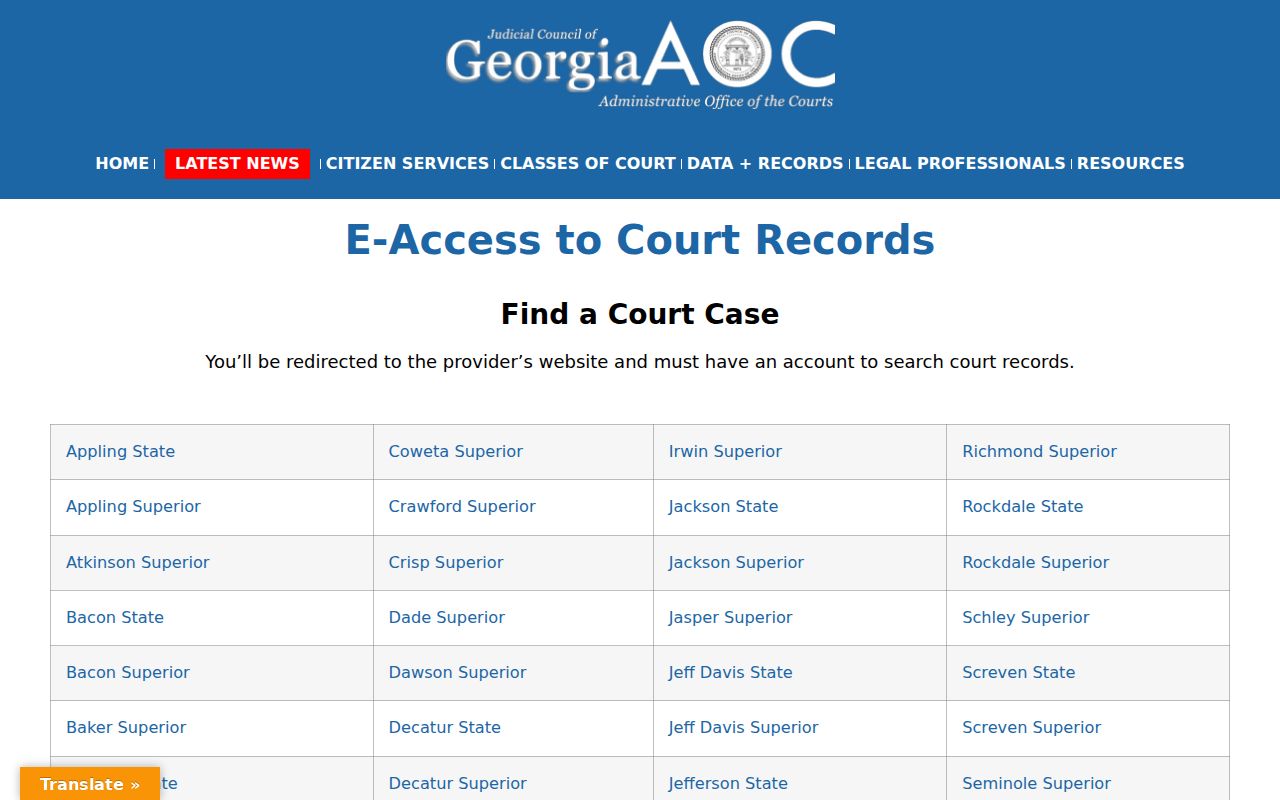
The provider may help retrieve court records. It is not a statewide public warrant database. When the online service is down or shows no current warrant status, a direct Oglethorpe County clerk or sheriff confirmation remains the sound route.
Comparing Arrest, Summons, and Bench Warrants
Oglethorpe County courts use three different tools. An arrest warrant orders custody after a probable-cause finding. A summons orders an appearance, not an arrest. A bench warrant usually follows a missed duty inside a case that already exists, and each of these calls for a different response. Ignoring a summons can bring later process, but the summons itself is not an arrest warrant.
| Feature | Arrest Warrant | Summons | Bench Warrant |
|---|---|---|---|
| What it directs | Take the subject into custody | Appear on a stated date | Take a person into custody after a missed duty |
| Starting basis | Probable cause of an offense | A charge or proceeding handled without immediate custody | Failure to appear, contempt, or failed compliance |
| Best first contact | Issuing court, sheriff, and counsel | The named court | The court that set the missed duty |
| Typical response | Planned surrender and bond review | Appear as directed | Seek reset, recall, quash, or bond instruction |
The bench warrant search page covers missed-court process. Quote the record's exact wording to the clerk. Georgia papers may use the term capias, process to take a person into custody, though Oglethorpe County publishes no local capias-pro-fine category or lookup.
Probable Cause Is Not Conviction
An arrest warrant rests on a judge's finding that sworn material met the probable-cause threshold. That is all it settles. The charge itself remains open, and the person keeps the right to have the case heard. The court file in Oglethorpe County may later show service, dismissal, recall, or transfer. None of those outcomes can be read from the fact that a warrant application once existed. Getting the affidavit itself may be harder. The Georgia Open Records Act opens many existing records, but law enforcement and prosecution exemptions can shield active investigative facts, sources, methods, and safety-sensitive material. Sealed and juvenile records carry added limits. Ask the holder of the record for a nonexempt or redacted copy. If denied, ask which exemption applies. And a missing name search on the Oglethorpe County sheriff's homepage proves nothing about whether a warrant exists.
If There Is an Arrest Warrant for You
Verify the record before you act. Call the Oglethorpe County clerk. Ask for the warrant and case numbers, issuing court, charge category, issue date, active or served status, bond terms, and serving agency. A lawyer can then contact the court, assess whether a motion to recall or quash is available, and help plan a voluntary surrender. Georgia's official guidance warns that appearing in person can lead to immediate custody. An uncertain online result is not worth that risk.
Plan first. Speak with counsel, confirm surrender instructions and transport, and learn the current bond status before reporting in person.
If bond is allowed, nail down the details. Confirm where it must be posted, which form is accepted, and what the jail takes as payment. Georgia Magistrate Court rules recognize cash, qualifying property, recognizance, and professional surety bonds, subject to the offense and court. Oglethorpe County posts no bond schedule. Bond buys release; the charge and the court dates remain.
After an Oglethorpe County Warrant Arrest
Booking is only the start. First appearance, notice of charges and rights, counsel, and a bond or commitment decision come next. The original warrant travels back through the magistrate or designated court process for transfer to the prosecuting agency. Those handoffs explain the timing gaps. Oglethorpe County jail, sheriff, and clerk records update at different moments.
- Keep the booking, bond, and release documents.
- Confirm the issuing court and next hearing date.
- Ask when the sheriff return and court docket will update.
- Attend every setting and follow all bond terms.
- Use the court record, not the booking portal, to track the case.
An out-of-county or federal warrant needs another source. Oglethorpe County officers may stop or hold someone. The demanding jurisdiction still controls the process. Federal criminal matters belong to the U.S. District Court for the Northern District of Georgia and federal agencies. PACER, or free RECAP copies, can show some docket material, but neither is a complete warrant search and sealed process can stay hidden.